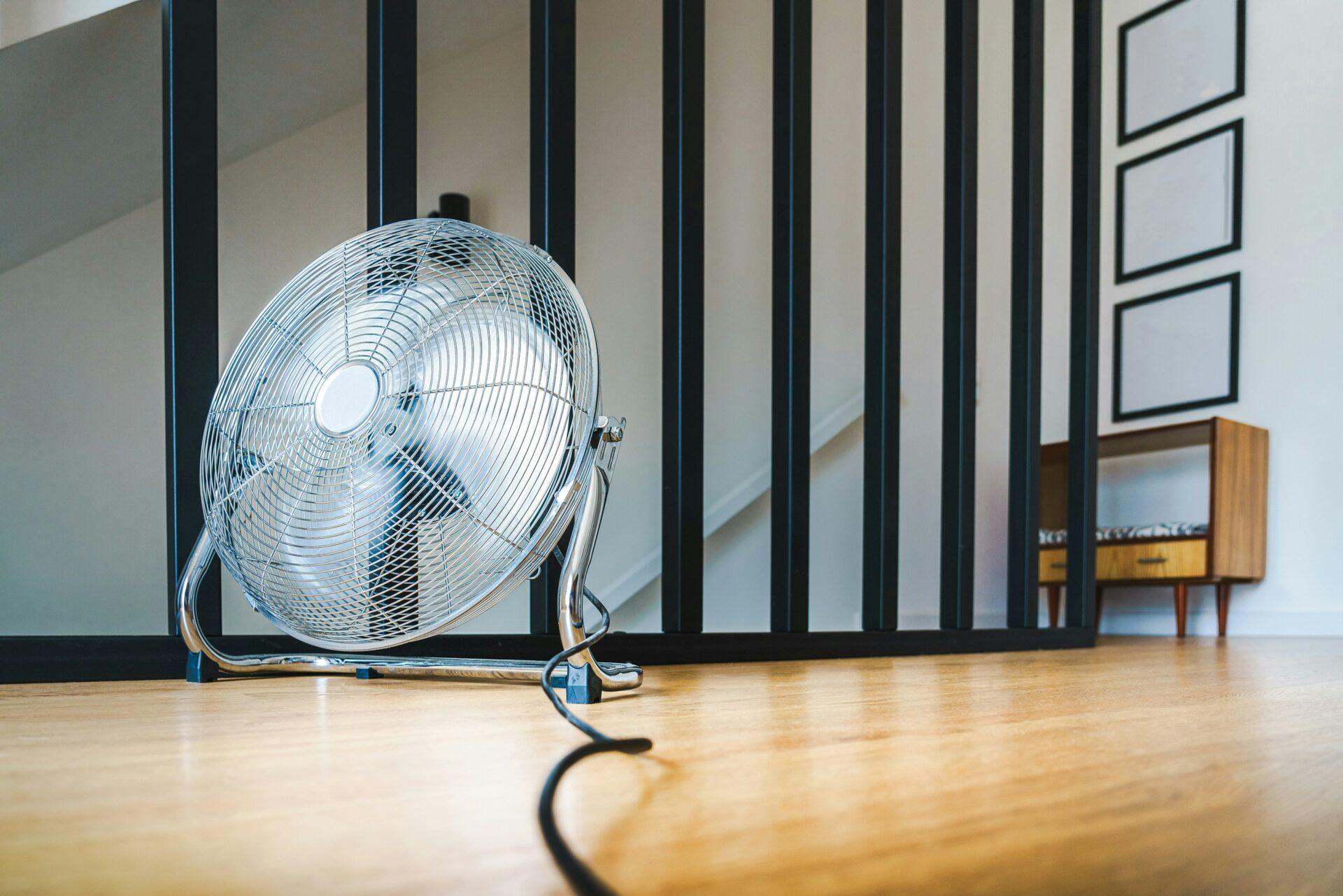

Climate change is raising the average temperature and increasing the risk of heat waves in Sweden. There is already an increased demand for air conditioning for cooling of homes, which in the long run can lead to problematic loads on the electricity grid.
People’s expectations and behaviours play a major role in shaping future energy needs for
cooling. To ensure resource-efficient buildings in a warmer future, we need to understand how to encourage alternatives to residential air conditioning, to prevent the technology from becoming a norm in Swedish households. At the same time, we need to know how households who already have air conditioning installed can use it as efficiently as possible at times when cooling is indeed needed.

 LinkedIn