Projects

Explore all projects financed via the program Resurseffektiv bebyggelse

The research in the program Resurseffektiv bebyggelse aims to contribute to new knowledge and solutions without negative climate impact, while simultaneously developing buildings into active nodes in the energy system.

This addresses challenges related to energy use in buildings throughout their lifecycle, from natural resources to delivered energy services. It also includes societal actors and structures, policy instruments, planning issues, the behaviors and habits of stakeholders, and their interactions with technological development.


Windows-–-repair,-renovate,-supplement,-circulate?

Windows – repair, renovate, supplement, circulate?

Completed

Coordinator: RISE – Research Institutes of Sweden

A-synthesis-of-research-on-energy-communities-from-the-perspective-of-households

A synthesis of research on energy communities from the perspective of households

Completed

Coordinator: KTH Royal Institute of Technology

Syntheses-to-promote-circularity-in-the-construction-sector

Syntheses to promote circularity in the construction sector

Completed

Coordinator: Uppsala University

Environmental-trade-offs-for-decarbonised-buildings

Environmental trade-offs for decarbonised buildings

Completed

Coordinator: Linköping University

Resource-efficient-indoor-comfort-at-high-outdoor-temperatures

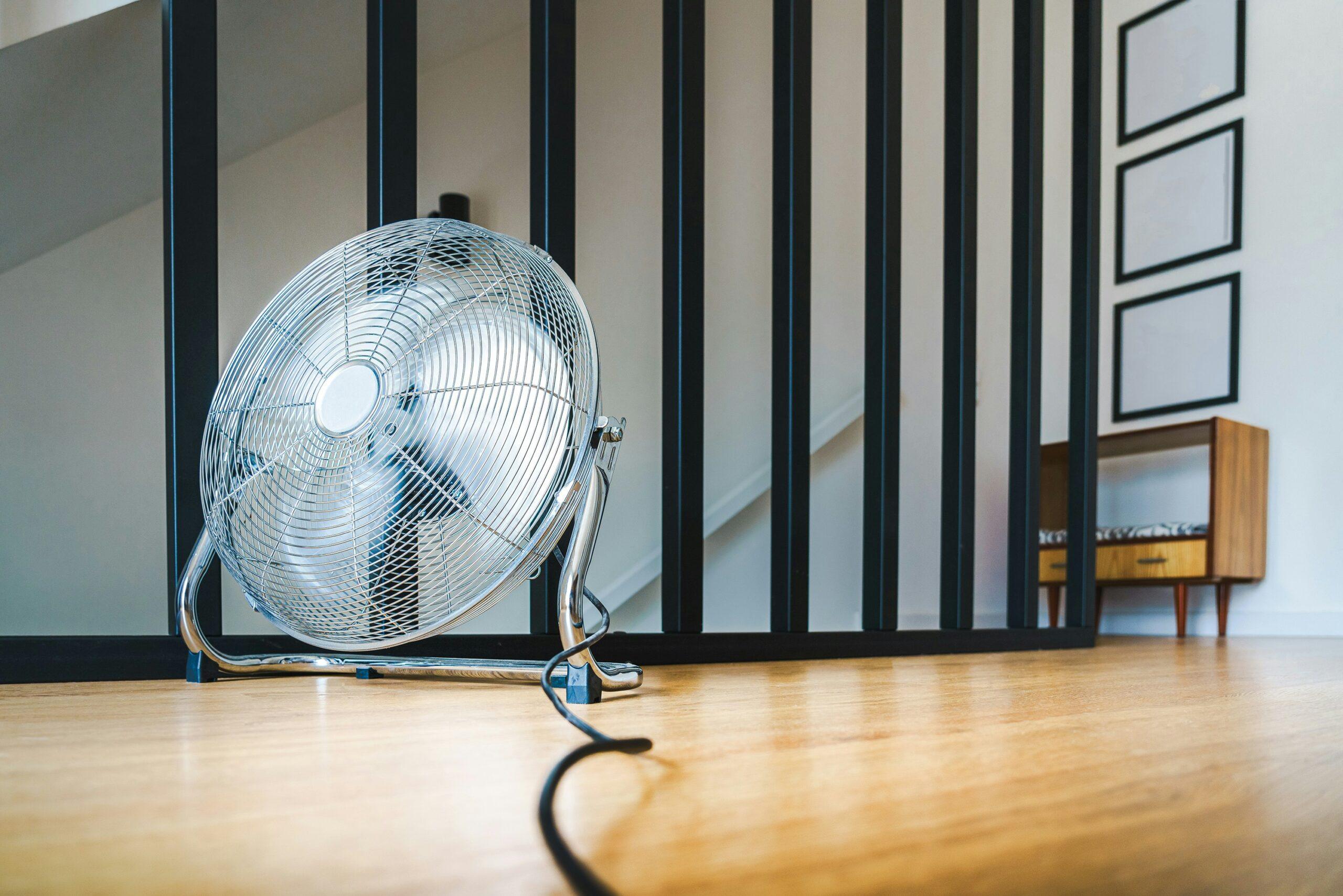
Resource-efficient indoor comfort at high outdoor temperatures

Completed

Coordinator: RISE – Research Institutes of Sweden

A-recilient-twin-transition-–-digitalization-accelerating-green-transition-–-what-does-it-mean-in-the-built-environment?

A recilient twin transition – digitalization accelerating green transition – what does it mean in the built environment?

Completed

Coordinator: RISE Research Institutes of Sweden

Integrated-system-roadmap-towards-a-climate-neutral-built-environment-(INTERTWINE)

Integrated system roadmap towards a climate-neutral built environment (INTERTWINE)

Completed

Coordinator: Linköping University

Public-acceptance-of-policies-for-energy-efficient-buildings

Public acceptance of policies for energy efficient buildings

Completed

Coordinator: Uppsala University

Sustainable-management-of-existing-brick-masonry

Sustainable management of existing brick masonry

Completed

Coordinator: Lund University

Exploring-proptech’s-role-in-the-twin-transition-of-the-real-estate-sector:-A-data-driven-approach

Exploring proptech’s role in the twin transition of the real estate sector: A data-driven approach

Ongoing

Coordinator: Mälardalen University

Building-energy-systems-and-storage-for-Flexible-Sector-Coupling-(BESSFlex)

Building energy systems and storage for Flexible Sector Coupling (BESSFlex)

Ongoing

Coordinator: KTH Royal Institute of Technology

From-development-to-implementation-of-planning-tools-and-energy-management-system-for-sustainable,-flexible-and-resilient-buildings-in-cold-climate

From development to implementation of planning tools and energy management system for sustainable, flexible and resilient buildings in cold climate

Ongoing

Coordinator: KTH Royal Institute of Technology

CAIR-–-Collaborative-AI-for-Energy-Regulation

CAIR – Collaborative AI for Energy Regulation

Ongoing

Coordinator: Örebro University

Energy-and-environmental-impacts-of-integrative-lighting

Energy and environmental impacts of integrative lighting

Ongoing

Coordinator: Lund University

Noise-from-heat-pumps-in-multi-family-dwellings-–-an-obstacle-for-increased-energy-efficiency?

Noise from heat pumps in multi-family dwellings – an obstacle for increased energy efficiency?

Completed

Coordinator: RISE – Research Institutes of Sweden