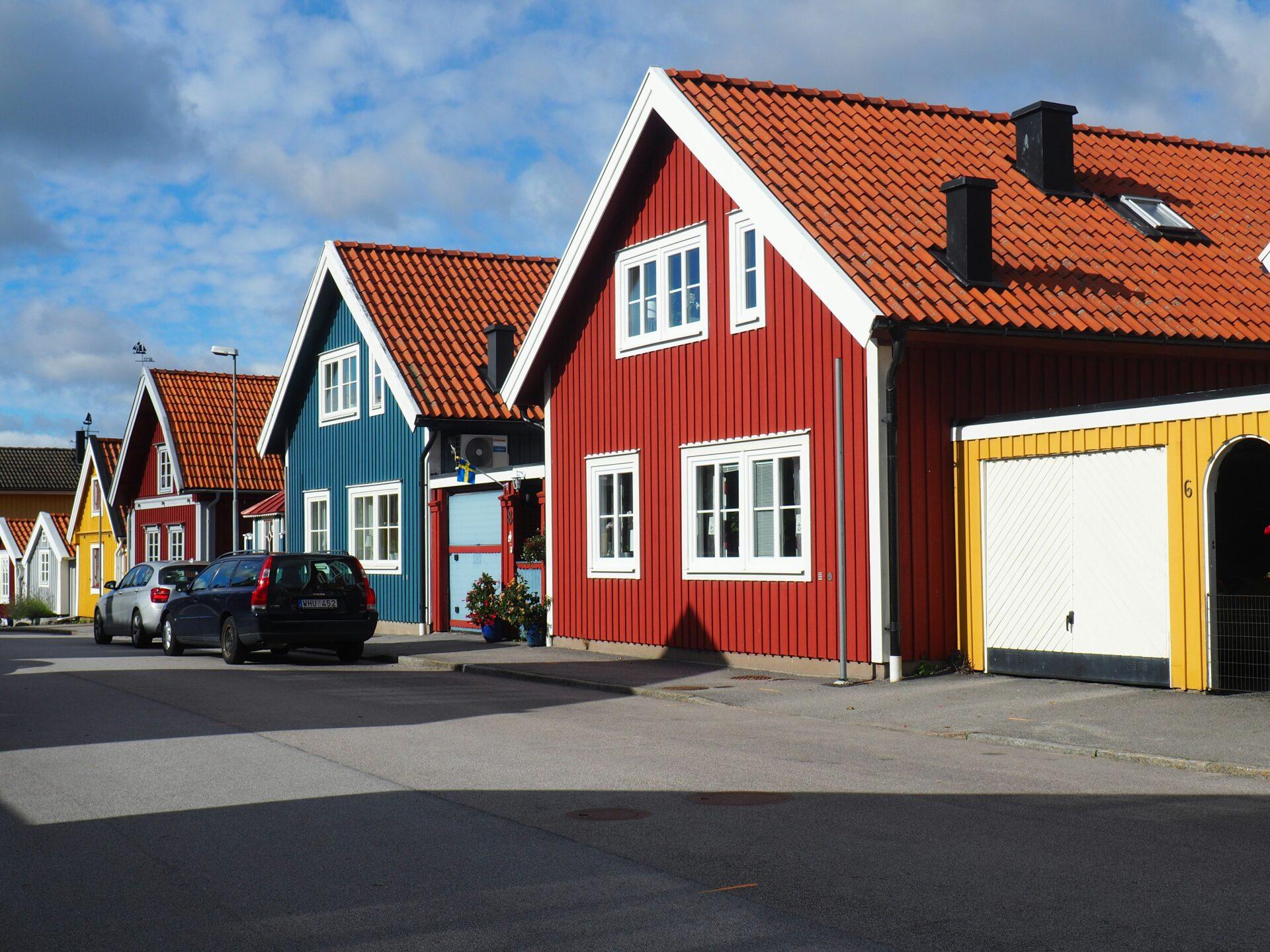
The power tariffs impact on electricity costs for Swedish single-family homes –With and without active control
A consolidated overview of how the introduction of capacity-based tariffs affects electricity costs for Swedish single-family homes with electric heating supplied by a heat pump.
PROJECT INFORMATION
Time schedule
December 2025 – November 2028
Total cost of project
3 585 339 SEK
Swedish Energy Agency’s project number
P2025-01838
Coordinator
RISE Research Institutes of Sweden
Project participants
RISE
Project manager and contact
Markus Lindahl: markus.lindahl@ri.se

The design of power-based tariffs in electricity distribution pricing is currently widely debated, and the planned regulatory requirement for Swedish distribution system operators to introduce such tariffs has been postponed. These tariffs are intended to provide economic incentives for households to shift electricity use over time and reduce peak demand during periods of high grid load. However, the tariff design strongly influences the extent to which single-family homes can respond to tariff signals and manage their power-related costs.
This project assesses how the introduction of power-based tariffs may affect electricity costs for Swedish single-family homes with heat pumps and home-charged electric vehicles. Using simulations, we analyse how costs vary depending on factors such as geographical location, local grid conditions, electricity price areas, building characteristics, and the presence of electric vehicles.
We will also analyse the households’ potential to reduce their electricity costs by controlling major electrical loads, such as heat pumps and electric vehicle charging, or by using energy storage to reduce peak power demand and shift consumption to hours with lower electricity prices. The project also contributes to international knowledge exchange through participation in IEA Heat Pumping Technologies Project 70, focusing on flexibility from heat pumps.
The project aims to generate new knowledge on how single-family homes can reduce their electricity costs through smart control strategies that consider both energy- and power-based charges. It assesses the effectiveness of simple rule-based control compared with more advanced algorithms and supports the development of new solutions for residential load control and improved grid tariff design. In the long term, the project supports the development of new solutions for residential load control and provides insights to help DSOs design grid tariffs that reduce congestion during peak load.
Reference group
The project has a reference group consising of nine companies and organisations:
- BeSmå
- City of Borås (Energy advisors)
- The Swedish Energy Markets Inspectorate
- Göteborg Energi
- Göteborg Energi Nät
- Jämtkraft
- Nibe
- Thermia
- TMF

 LinkedIn